If you expect to apply for BCBA or BCaBA certification around the end of 2026, review your application plan now. BACB's new requirements take effect January 1, 2027. For review under the current 2022 requirements, BACB says it must receive your complete application—including payment and all required documents—by December 31, 2026. Read the official transition notice.
Use this checklist to organize the questions and records you need to review with your program and supervisor. Your intended application date is a planning assumption until you have confirmed that the applicable requirements can be met. Submitting something before the cutoff does not replace meeting those requirements.
Official sources checked October 13, 2026. Consult the current BACB documents before acting on an application plan.
1 Start with the documents for your credential
BCBA and BCaBA have separate requirements. Keep the appropriate documents together so you do not accidentally carry a rule or number from one credential into the other.
| Document | BCBA applicants | BCaBA applicants |
|---|---|---|
| Current handbook | BCBA Handbook | BCaBA Handbook |
| Upcoming requirements | 2027 BCBA requirements | 2027 BCaBA requirements |
| Transition planning | BCBA transition guidance | BCaBA transition guidance |
For BCBA, the 2027 overview describes two eligibility pathways and the degree, coursework, and fieldwork requirements associated with them. Ask your program which pathway fits your preparation before using a checklist built for that pathway. 2027 BCBA requirements
For BCaBA, use the BCaBA-specific overview. Its degree and fieldwork provisions differ from BCBA's; a BCBA planning sheet is not a substitute. The overview also describes how the coursework pathway must be documented. 2027 BCaBA requirements
2 Put the application and the exam on separate lines
Write down three things: your target credential, your intended complete-application date, and the questions that could change that date.
An application cutoff is not the same as a deadline to sit for the examination. The current handbooks describe application review first, followed by scheduling instructions after approval. If you already hold an examination authorization, check the dates and instructions in your BACB account rather than treating this article as a new deadline for you. BCBA Handbook and BCaBA Handbook
For example, “I want to apply in December” is not yet a complete plan. A useful next step is identifying which document, program confirmation, or fieldwork question could prevent that application from being complete. Give each unresolved item an owner and a follow-up date.
3 Review coursework with your program
Bring a transcript and the relevant transition guide to your advisor or program contact. Ask for a review of your actual coursework against the requirements that would apply to your application.
For BCBA applicants using the coursework pathway, the transition guide identifies changes involving course organization, content allocation, and freestanding courses. A similar course title alone does not establish that the new requirement is met. BCBA transition guidance
BCaBA applicants should use their own conversion table. Its changes include different content-hour allocations and an increase in total required coursework hours. Ask the program to identify any gaps rather than trying to resolve them by borrowing a BCBA comparison. BCaBA transition guidance
Useful questions to bring include:
- Which requirements set and pathway are we checking?
- Which courses and records support that conclusion?
- What still needs clarification or completion?
- Who will provide the required program documentation, and when should I follow up?
Keep a dated note of the discussion so your next meeting can begin with the unresolved questions.
4 Check fieldwork with your supervisor
The transition guides recommend planning to meet both sets of requirements when the application timing is uncertain. That involves more than comparing a total number of hours: supervision, observation records, and the appropriate verification forms also matter. Discuss the credential-specific guide with your supervisor before assuming that documentation prepared for one set of requirements will satisfy the other. BCBA transition guidance and BCaBA transition guidance
Bring your existing records to that conversation. Write down what has been checked, what remains uncertain, and who will resolve each question. Avoid reducing a complex fieldwork review to a single “hours complete” checkbox.
5 Build a complete application checklist
Use the application section of the current handbook to create your checklist. Follow its instructions for the application, payment, supporting documentation, and official transcripts. In particular, the handbooks instruct applicants to submit the certification application before asking the institution to send official transcripts. Check that identifying information is consistent across the application and supporting records. BCBA Handbook and BCaBA Handbook
This small planning table can help you turn unanswered questions into actions:
| Item to resolve | Person or source | Your next action |
|---|---|---|
| Intended pathway and requirements set | Program contact and official documents | Confirm which checklist applies |
| Coursework question | Program advisor | Bring the transcript and identify the specific gap |
| Fieldwork or form question | Supervisor and transition guide | Review the relevant records together |
| Submission sequence | Current handbook | Write the steps in order and check receipt/status as instructed |
| Remaining uncertainty | Appropriate program contact, supervisor, or BACB | Ask a specific question before relying on an assumption |
Start with the source: Check the official transition guidance and open the documents for your credential.
6 Make a study plan alongside the application plan
The 2027 eligibility transition does not itself introduce a new exam outline. The BACB transition guides state that the BCBA and BCaBA exams use their respective sixth-edition Test Content Outlines and that no upcoming exam or outline change is identified in those guides. Recheck the current guidance when choosing materials. BCBA transition guidance and BCaBA transition guidance
Keep two tracks on your calendar:
| Application preparation | Learning preparation |
|---|---|
| Resolve eligibility and documentation questions | Choose one current learning need |
| Follow the official submission instructions | Schedule manageable practice and review |
| Track confirmations and required next steps | Use practice results to choose the next topic |
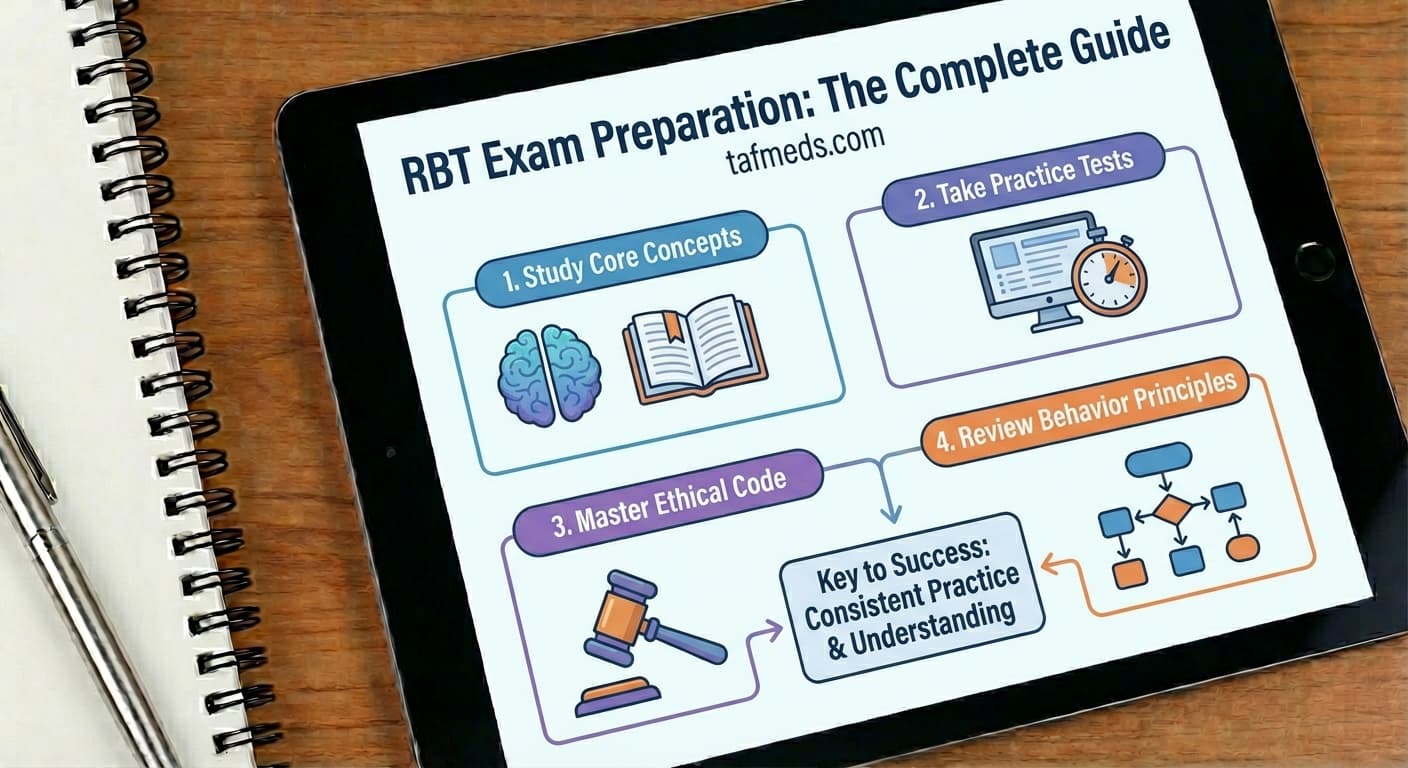
TAFMEDS supports the learning track. Using it does not satisfy or verify your degree, required coursework, supervised fieldwork, or application eligibility.
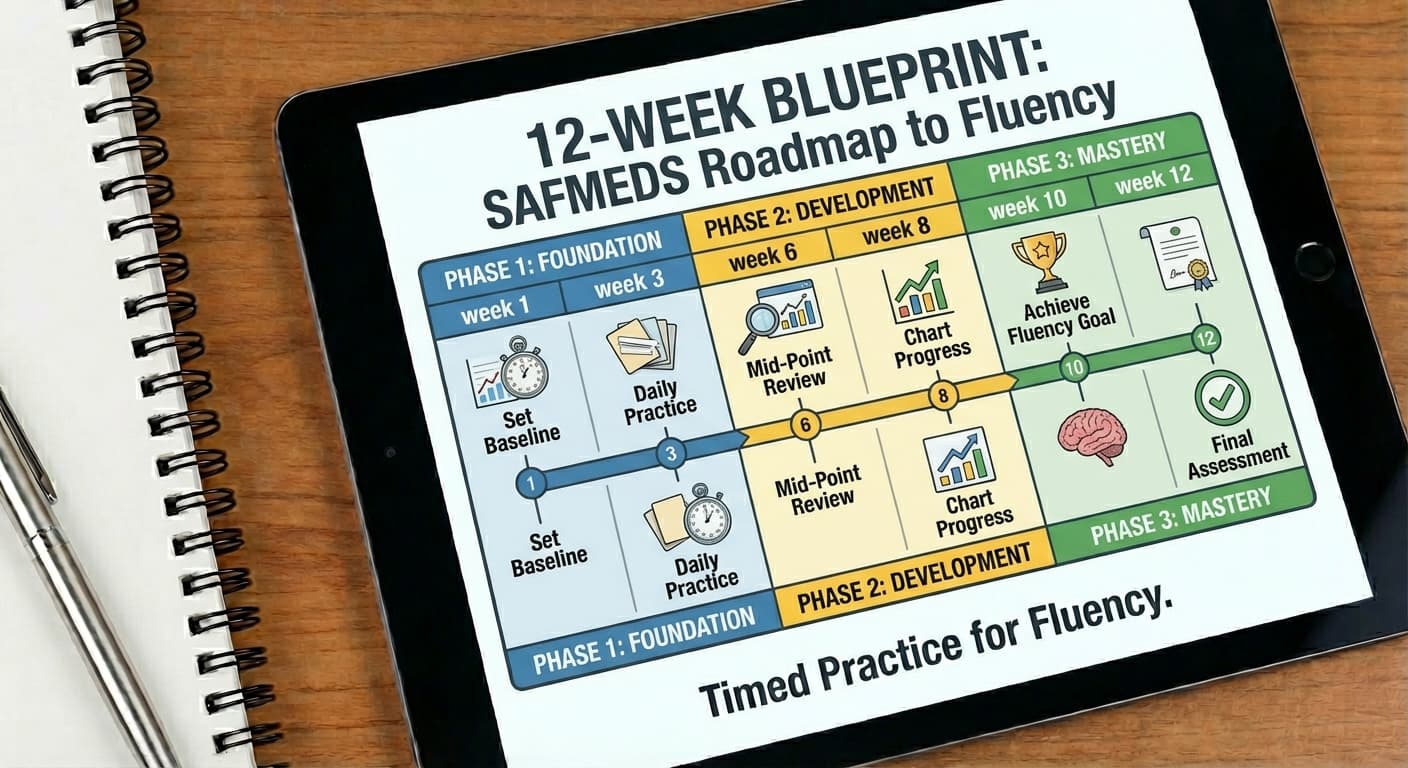
Once you have a realistic study window, use the BCBA study blueprint for ideas about organizing study activities. Adapt the schedule to your situation; an article cannot determine when your application will be approved.
For a small first action, choose a starting deck in the TAFMEDS library. Select material that matches your credential and current learning need, then plan a practice visit. Keep that learning task alongside the next application question you need to resolve.